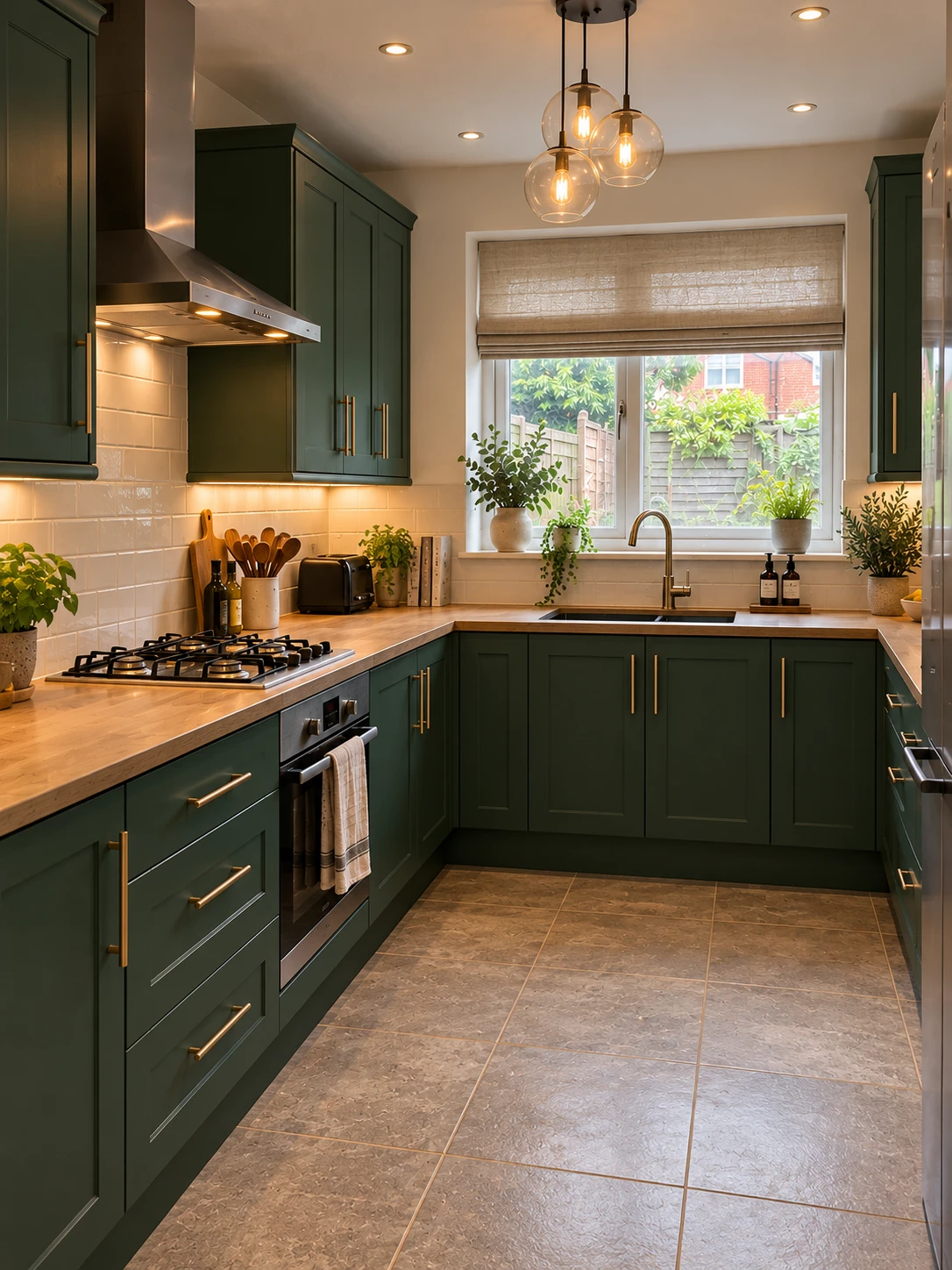
1. Plan it, and get your quotes
Settle the look and the layout first: what goes where, which appliances, and whether anything moves. Moving the sink or the hob means new pipes and wiring, so it costs more. Get every quote on the same design, so you're comparing like with like.
2. Order the kitchen early
Units, worktops and appliances can take weeks to arrive, so order them as soon as the plan is settled. Your fitter will know the lead times.
3. Strip out the old kitchen
The old units, worktops and tiles come out, and the water and power are made safe.
4. Any building work
Knocking through, a new window or a new door: now's the time. Taking out a wall can need building control, and a structural engineer if the wall holds the house up.
5. First fix: pipes and wires
The plumber and electrician run new pipes, cables and sockets to where the plan needs them, before the walls are made good. Anything on gas is connected by a Gas Safe registered engineer.
6. Plaster, and let it dry
The walls are made good and plastered, ready for the units.
7. The floor: before or after the units?
Tiled floors often go down before the units. Laminate and luxury vinyl usually go in after, up to the units, with the plinths fitted on top at the end.
8. Fit the units and the worktops
The base units go in, then the wall units. Stone and quartz worktops are measured once the base units are fixed, then made to fit, so there's often a week or two before they arrive. The fit itself usually takes about a week of working days.
9. Second fix
The splashback goes up, then the sink and taps, lights, sockets and appliances are connected.
10. Decorate
Paint once the kitchen is in and the dust has settled, so the walls stay clean.
11. The finishing touches
Plinths, handles and trims go on last, then blinds and the things that make it yours.